
How to Use a Hand Wood Planer for the Smoothest Results
A hand wood planer is a great tool to have in your woodworking shop, or your home shop if you enjoy woodworking at home for DIY projects. It’s incredibly useful for precision work, and if you work from home, it can be a good replacement for a benchtop planer.
Planing is a perfectionist’s skill in woodworking. A planer is used for cutting an even thickness across a wood board and flattening and smoothing warped or uneven wood boards. A benchtop planer does this by having a wood board fed through its machine, and the cutting is done inside the mechanism.
A handheld planer is different, though, as your hand works in place of the motor, guiding the planer across the board to achieve a smooth and even finish.
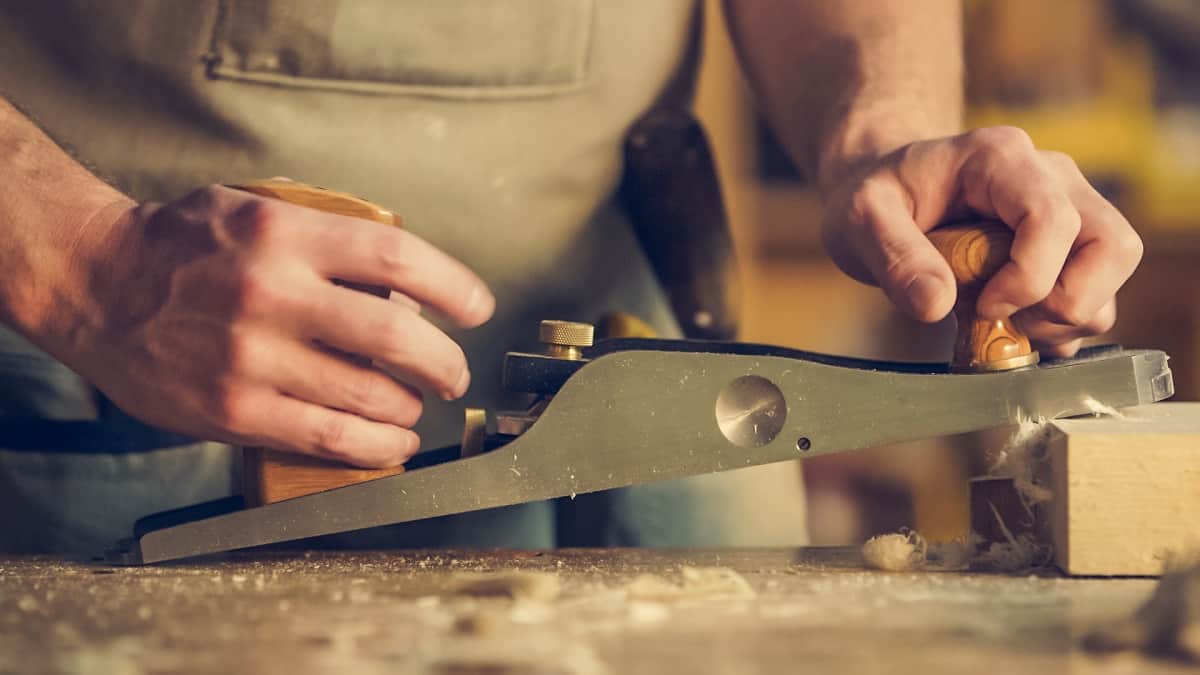
You can use an electric power planer that has a motor in it for larger projects, or a hand wood planer that works manually. A hand wood planer is an age-old tool that makes it great for precision work.
Planing with a handheld planer can be tricky and requires lots of practice and skill to master perfectly. Here are some tips and advice on how to use a hand wood planer for the smoothest results while woodworking.
Don’t Plane Back and Forth
It’s important to pause in and out of your motions and stay flat at each end. This is an easy mistake to make for beginners. Don’t move back and forth across the board. Start with the plane flat and the blade off of the wood, your hand plane parallel to the board and not at an angle.
Take even strokes and stay even, putting downward pressure on your front hand and finishing on the other end by applying pressure with your backhand. A controlled stroke involves fully moving your plane from end to end and removing it after each stroke.
The front hand should be holding the knob, providing stability while you move. The backhand, your dominant hand, should be holding onto the handle and controlling the direction of the hand plane.
Don’t Use Too Much Pressure
There’s no need to use a lot of downward pressure to cut wood. If you’re using too much pressure or relying on your strength, there’s no need to use a very aggressive cut. Planing should be done in one full motion and putting too much pressure on the plane will cause the cut to be uneven.
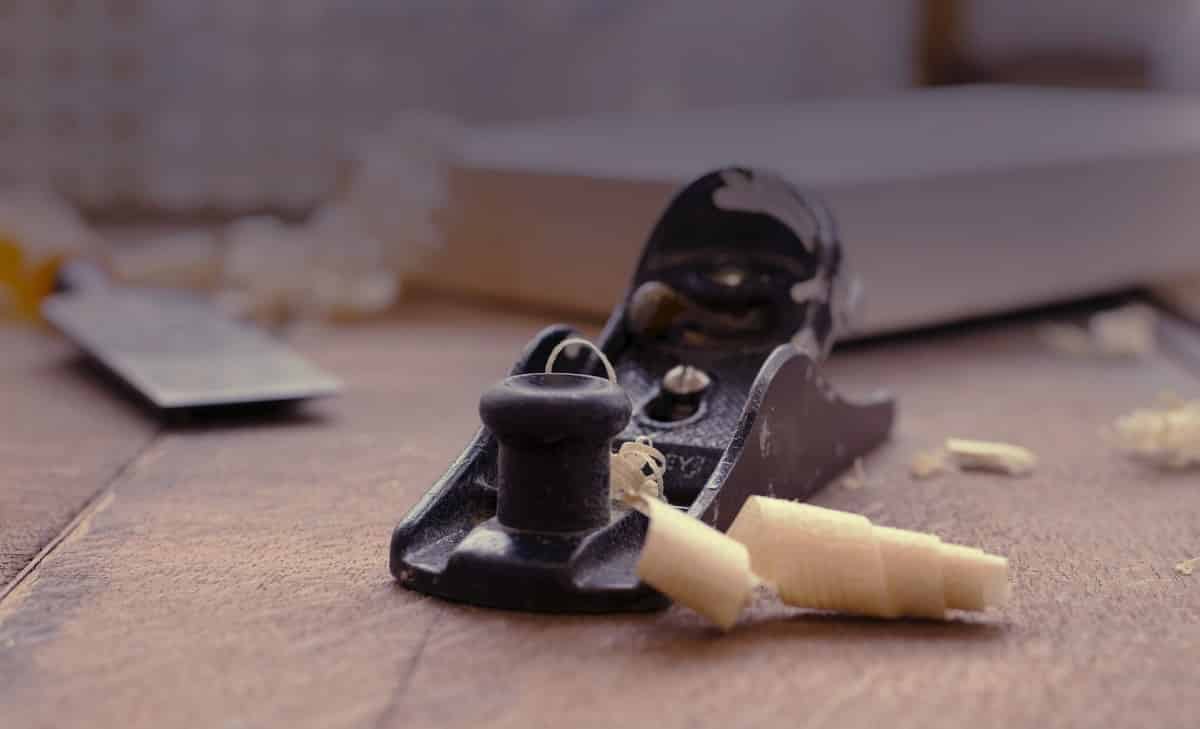
An even result can’t be achieved in one motion, so go over the wood a few times, shaving off a bit of wood incrementally each time, to get a smooth result. If you do find that the only way for the hand plane to work is through putting immense pressure on it, it’s probably time to sharpen or change the blade.
Adjust the Plane Size Depending On Board Texture
If you have a board that is uneven and needs a lot of work, you’ll need a plane that can cut right through. The shorter the plane, the more it will follow the bumps and valleys.
A bench plane can chew right off the bumps on the wood. A bench plane can take out a lot of material off the wood. The blade is fixed at a 45-degree angle that can be increased for a rougher wood timber.
If you’re working with a long board, using a longer plane will make sure the mounds and valleys of the wood will be smooth from edge to edge. Just like moving your hand evenly across the wood board, a long plane works the same way. It’ll stay steady and even as you move it and can be controlled much more easily when you’re doing long motions.
Shave with the Grain
Follow the grain of the wood. If you plane into the rise and grain of the wood, you’ll chip the wood. Wood isn’t meant to be chipped at through the grain since the fibers of the wood are going in one direction. When using your hand plane, go with the grain to shave off the appropriate amount. Otherwise, the wood will chip, and the shave will be uneven.
You can find the grain of the wood by looking for any lines on the wood. If you’re working with a piece that’s already been shaved down, this can be hard to see, but it’s important to find the lines of the grain to know what direction to plane.
Lubricate the Plane Blade
If you’re working with a particularly rough piece of wood and you’re struggling with maintaining even strokes, lubricate your hand planer before you start. In fact, for the best results throughout your woodworking, it’s useful to lubricate your hand planer blade.
A few dabs of oil or wax to lubricate on the bottom of the hand plane make the motions of your planing effortless. It shouldn’t cause any issues to the surface of your material and will produce a much smoother finish.
Adjust the Blade as Needed
There’s an adjustment that can be made to help against tear up. You can adjust the mouth of the blade to bring it tighter and closer to the blade to help against any tearing and chipping of the wood.
Not only can you adjust the position of the blade, but make sure you’re sharpening it. For frequently used planes like a pocket block plane, it’ll need to be sharpened frequently.
To do this, take out the blade and wet your sharpening stone and rub your blade in circles in one direction. Work it around on both sides evenly for a sharper blade.
Technique Matters
A common tip when starting with a hand planer is to act as a lawnmower and not a shovel. This means that when you’re working with the wood, it’s important to touch the entire surface and reduce the wood by the same thickness, while a shovel would create holes or valleys. You want to make sure you’re touching the entire surface rather than specific areas.
Find the Right Hand Wood Planer for You
If you’re looking for the right wood planer for you, conduct some research to see what model and company best suits your needs.